
A lot of teams tell me they want “less conflict.”
But when we dig in, what they really want is less draining conflict.
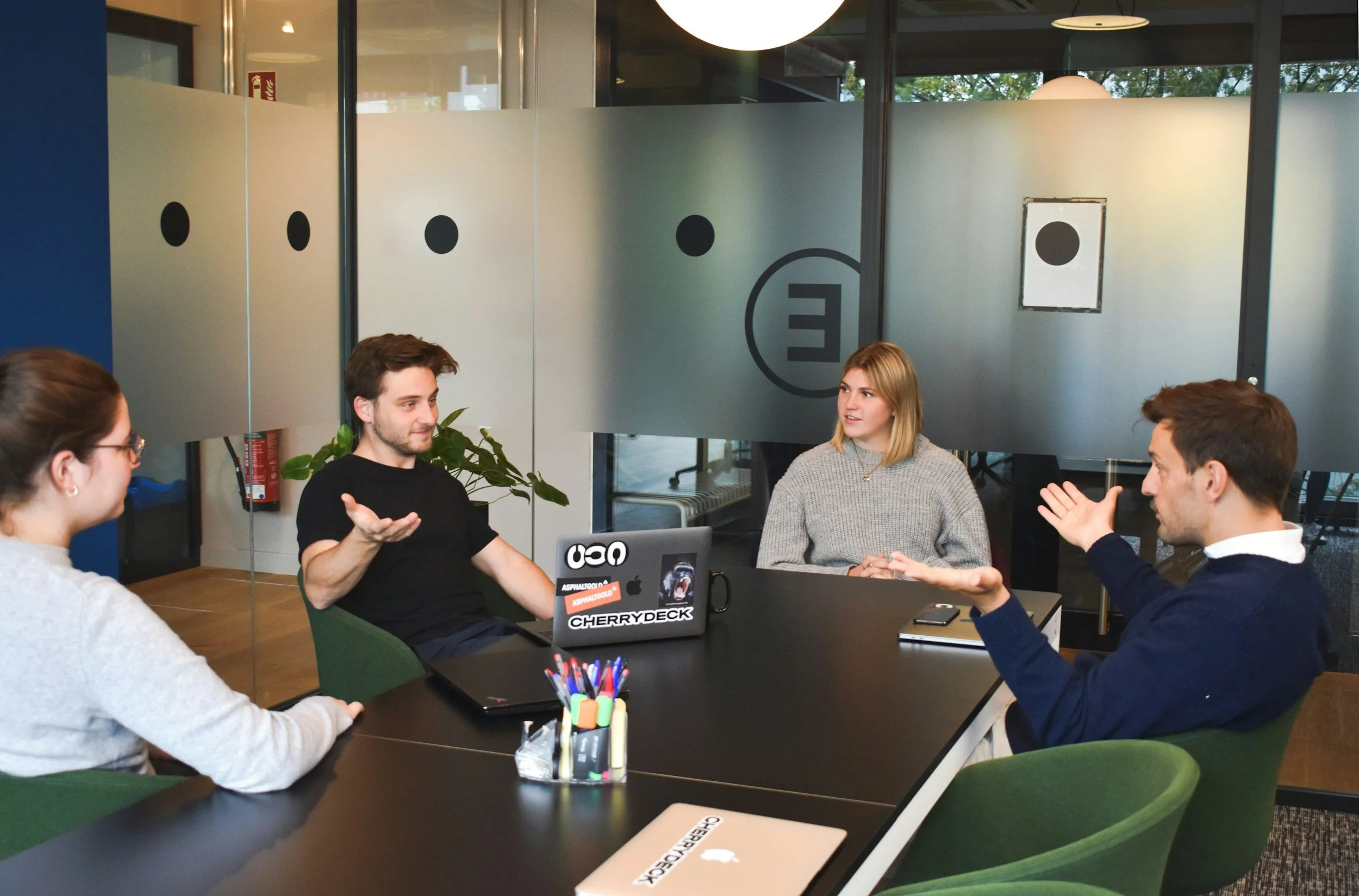
Because high-performing teams don’t avoid disagreement.
They learn how to navigate it productively—without making it personal, without shutting down, and without leaving meetings feeling tense for the rest of the day.
The real issue isn’t that conflict exists. It’s that many teams don’t have shared norms for how to handle it.
How Conflict Gets Personal (Fast)
Here’s what I see happen all the time:
Two people are reacting to the same decision, but from completely different priorities.
One is focused on:
logic
efficiency
fairness
speed
The other is focused on:
impact
relationships
morale
trust
Both are valid, and both are needed. But without a shared language, the story becomes personal.
“They’re being difficult.”
“They’re too emotional.”
“They don’t care about people.”
“They’re irrational.”
“They’re slowing everything down.”
Most teams aren’t actually fighting about the decision. They’re fighting about what they believe the decision should be based on.
The Two Patterns Teams Fall Into
When teams don’t have conflict skills, they usually land in one of two places:
1) The Volcano Team
People avoid tension until it finally erupts—often at the worst possible time.
2) The Frozen Team
People stay polite, but the real issues never surface. The conflict shows up later through:
slow follow-through
side conversations
passive resistance
rework
quiet disengagement
Neither pattern is healthy, and both are surprisingly common in high-performing workplaces.
What Healthy Conflict Actually Looks Like
Healthy conflict isn’t loud. And it isn’t always comfortable.
Healthy conflict is clear.
It sounds like:
“I see it differently—can we talk it through?”
“Here’s what I’m concerned about.”
“What criteria are we using to decide?”
“What’s the impact if we choose this option?”
“What data are we basing this on?”
The difference is that the tension stays focused on the work—not on the person.
The Missing Piece: Decision-Making Norms
One of the most overlooked reasons conflict becomes unproductive is that many teams don’t have clear decision-making norms. So people end up disagreeing about:
who gets input
what “alignment” actually means
how much discussion is enough
when the decision is final
whether the process felt fair
When those norms are unclear, conflict becomes personal—even when nobody intends it to.
A Simple Shift That Changes Everything
One of the most effective team habits is this:
Surface differences early—before they become tension.
That can look like:
inviting disagreement early in the process
asking “What are we missing?”
naming tradeoffs out loud
clarifying decision criteria before debating options
separating idea evaluation from personal critique
This is where conflict stops feeling like a threat and starts becoming what it should be:
useful information.
Why This Matters
Healthy conflict leads to stronger decisions and better outcomes.
Because teams that can disagree respectfully:
make higher-quality decisions
reduce rework
increase buy-in
move faster over time
build trust instead of resentment
And in today’s workplace, where the best answers are rarely obvious, conflict skills aren’t a “nice to have.” They’re a core team skill.
💡 If your team struggles with conflict—either too much of it or none at all—it may not be a “people problem.” It may be a skills-and-norms problem.